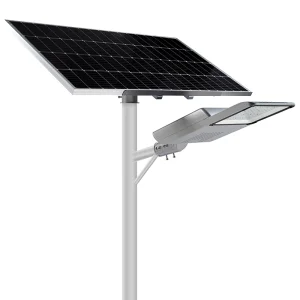
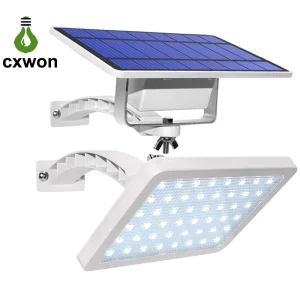
Explore our premium grade selection of solar-powered lighting systems engineered to sustain harsh weather conditions while delivering optimal luminous efficacy.
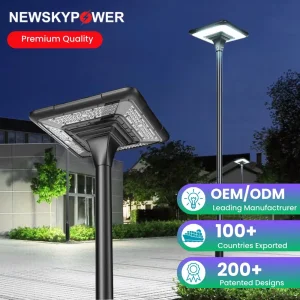
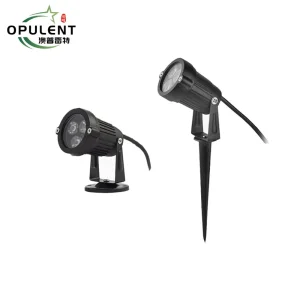
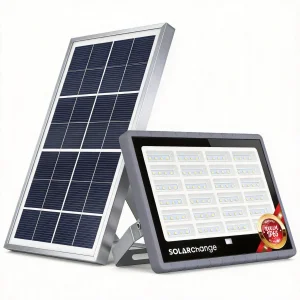
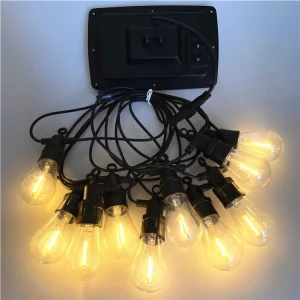
The global outdoor lighting sector is undergoing a massive transformation, shifting from energy-intensive incandescent and high-pressure sodium lamps to self-sustaining, intelligent PV integrated fixtures. Within this segment, the Solar Tiki Torch Light has transitioned from a basic novelty garden novelty to a sophisticated architectural and commercial landscaping staple.
Key technological factors shaping this evolution include:
Integration of optical sensors and infrared controllers allows automatic dusk-to-dawn operation and localized remote grouping.
Industrial-grade ABS, polycarbonate, or aluminum alloy housings designed to withstand rainstorms, dust storm exposures, and snow load stresses.
Architects value fixtures that control light pollution. Upward light spilling is minimized through precisely designed internal refractor cones.
Enterprise clients sourcing landscape lights—whether for hospitality chains, urban planning projects, large-scale e-commerce operations, or retail distribution—cannot afford product failures that lead to costly returns and project delays. Strategic buyers assess factories based on clear technical metrics rather than simply comparing base Unit Costs.
When drafting a Request for Proposal (RFP) for a high-quality solar tiki torch factory, professional procurement agents demand validation of the following indicators:
PV Efficiency
Waterproof Rating
Battery Cycle Life
Defect Target Rate
Quality guarantees are verified through rigorous international standard frameworks. A reliable manufacturer must display certified compliance with ISO9001 (Quality Management), ISO14001 (Environmental Protection), CE, TUV, IEC, and CQC. These certifications prove that the production lines maintain low variance tolerances and that the electrical safety systems are built to withstand transient outdoor voltage surges during solar generation peaks.
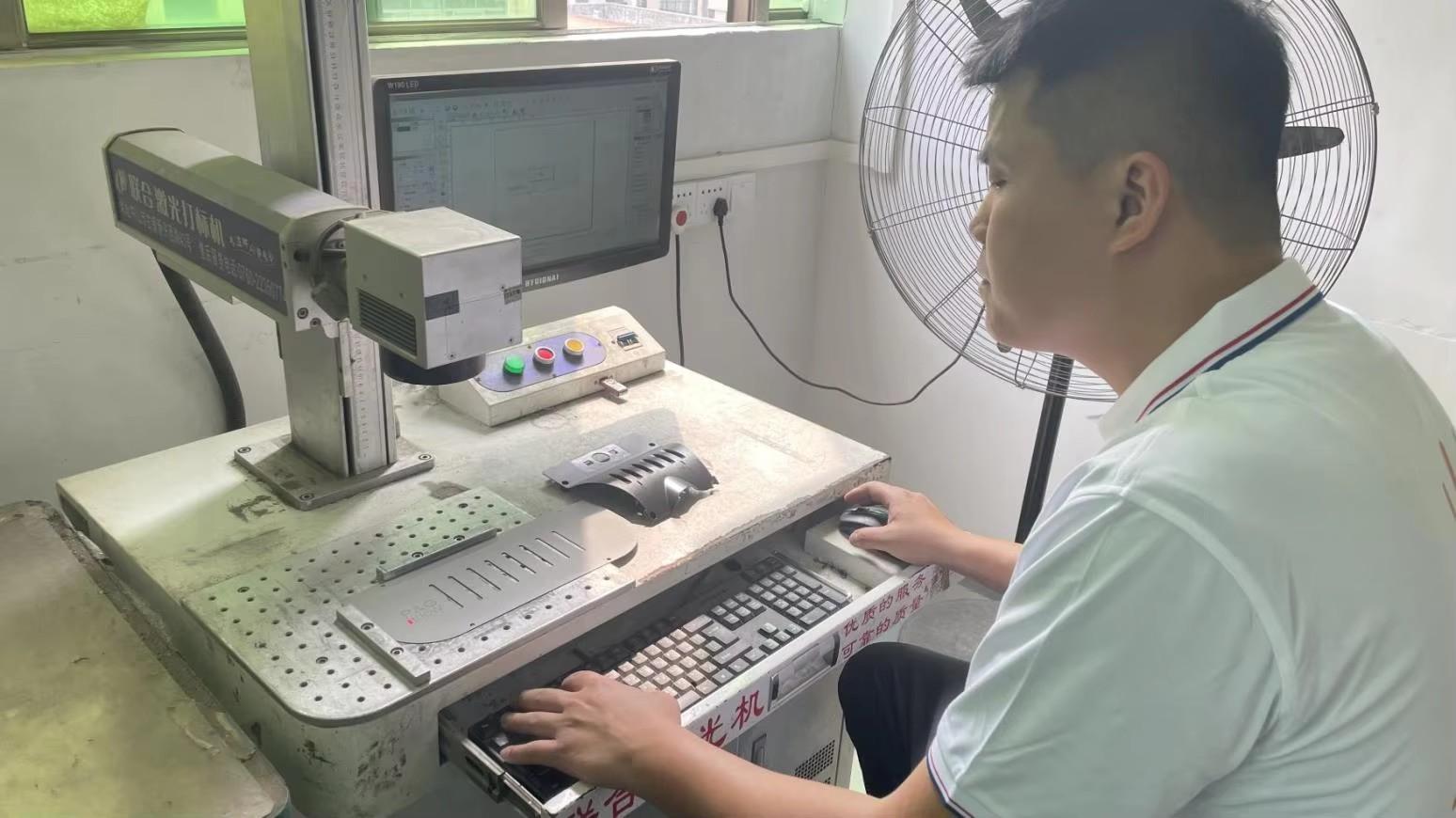
The manufacturing ecosystem in China has evolved beyond simple low-cost manual assembly. China's "Factory 4.0" paradigm combines automated material movement, laser-guided diagnostic testing, and highly integrated components sourcing clusters. Wuxi Zeteo Light Co., Ltd. is a prime example of this industrial transformation, driving efficiency and reliability across its vertically integrated supply chain.
Wuxi Zeteo Light Co., Ltd. is a professional high-tech enterprise specializing in the research, development, manufacturing, and sales of solar photovoltaic products and energy storage solutions. By introducing advanced automatic production lines and precision testing equipment from around the world, Zeteo Light has established a modern manufacturing system with strict quality control standards. The annual production capacity of photovoltaic modules has reached 3GW, while the annual capacity of energy storage batteries exceeds 1GWh, enabling us to provide stable and efficient products to customers worldwide.
Since its establishment, Zeteo Light has adhered to the philosophy of precision manufacturing and continuous innovation. The company has gradually built a comprehensive vertical industrial chain covering solar cell technology, PV module manufacturing, energy storage integration, solar system engineering, and smart energy applications. Our experienced engineering team also provides customized OEM & ODM services, helping clients meet different market demands and project requirements.
To ensure product quality and international market compliance, Zeteo Light has obtained multiple international certifications, including ISO9001, ISO14001, ISO45001, TUV, CE, IEC, CEC, MCS, CQC, and other authoritative certifications. Our products have been widely exported to more than 100 countries and regions across Europe, South America, Southeast Asia, the Middle East, Africa, and Oceania, earning strong trust and recognition from global customers and partners.
With a strong commitment to green energy development and sustainable growth, Zeteo Light continuously invests in technological innovation, product optimization, and intelligent manufacturing. We are dedicated to delivering high-efficiency, reliable, and environmentally friendly solar energy solutions that contribute to global carbon neutrality and clean energy transformation.
Guided by the mission of “Shared Green Energy, Bright Future Together,” Zeteo Light upholds the core values of “Customer First, Quality Oriented, Integrity Based, and Innovation Driven.” Through professionalism, teamwork, and continuous improvement, we strive to become a leading international provider of solar and energy storage solutions, offering one-stop clean energy services for customers around the world.
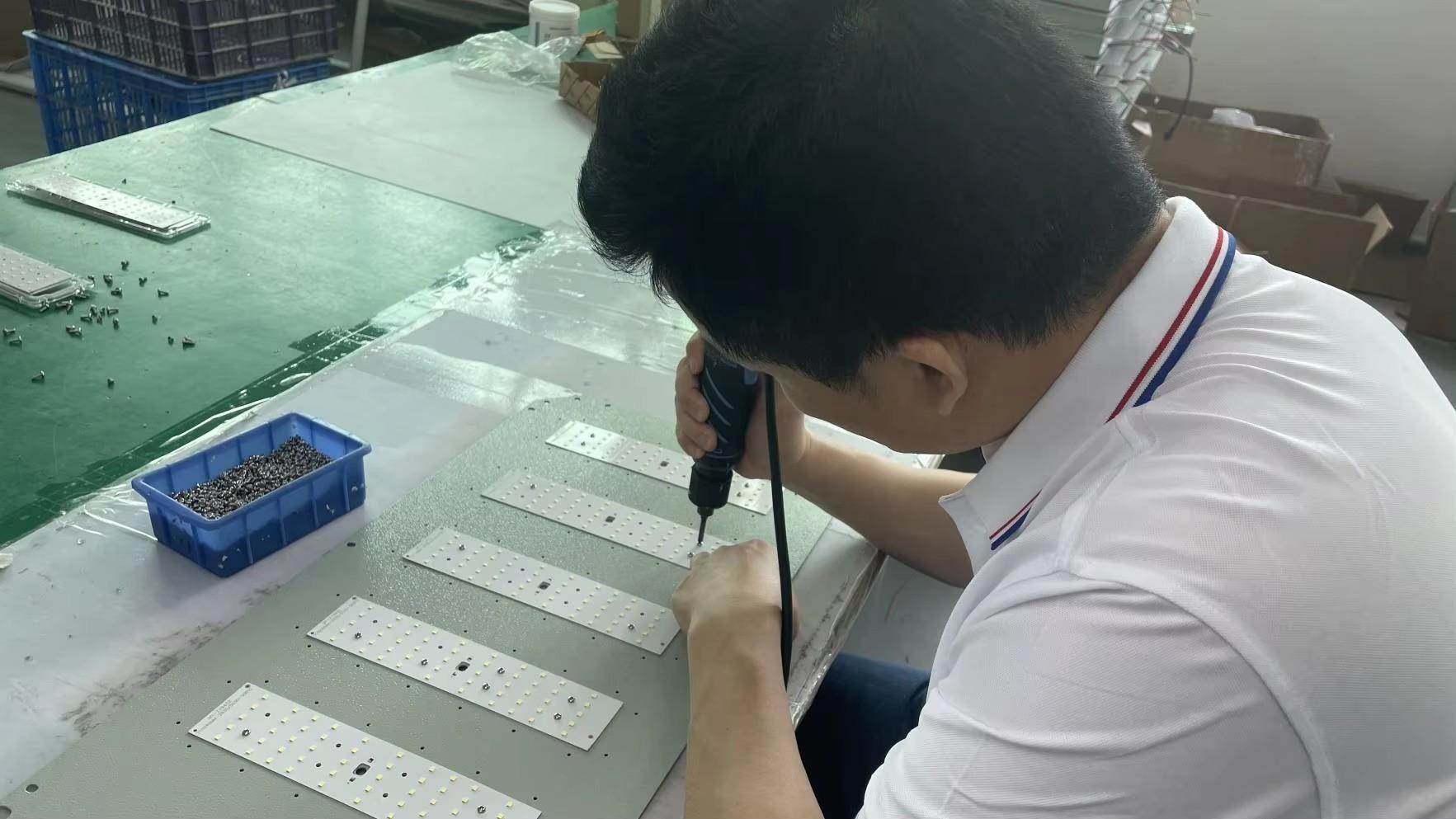
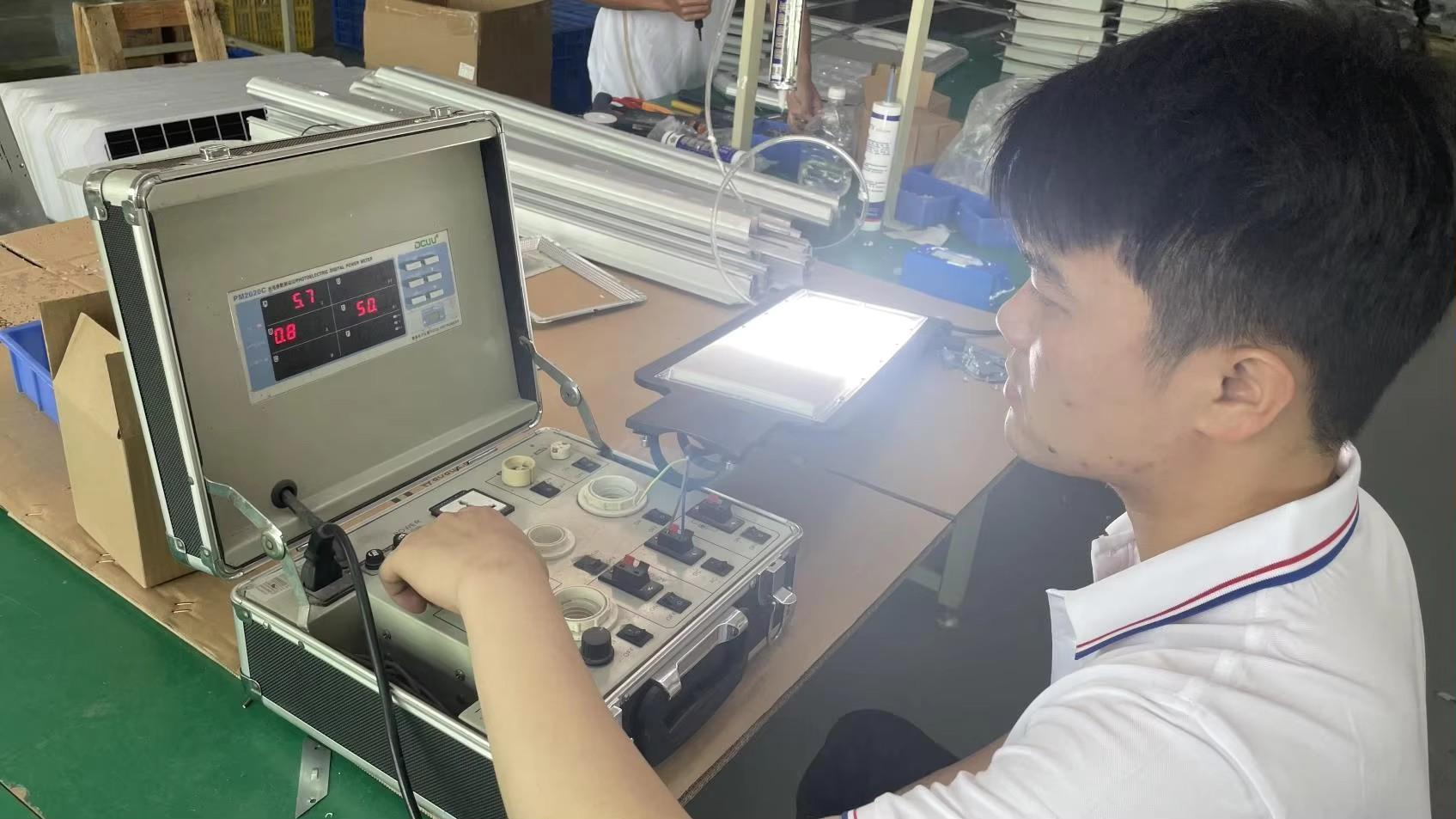
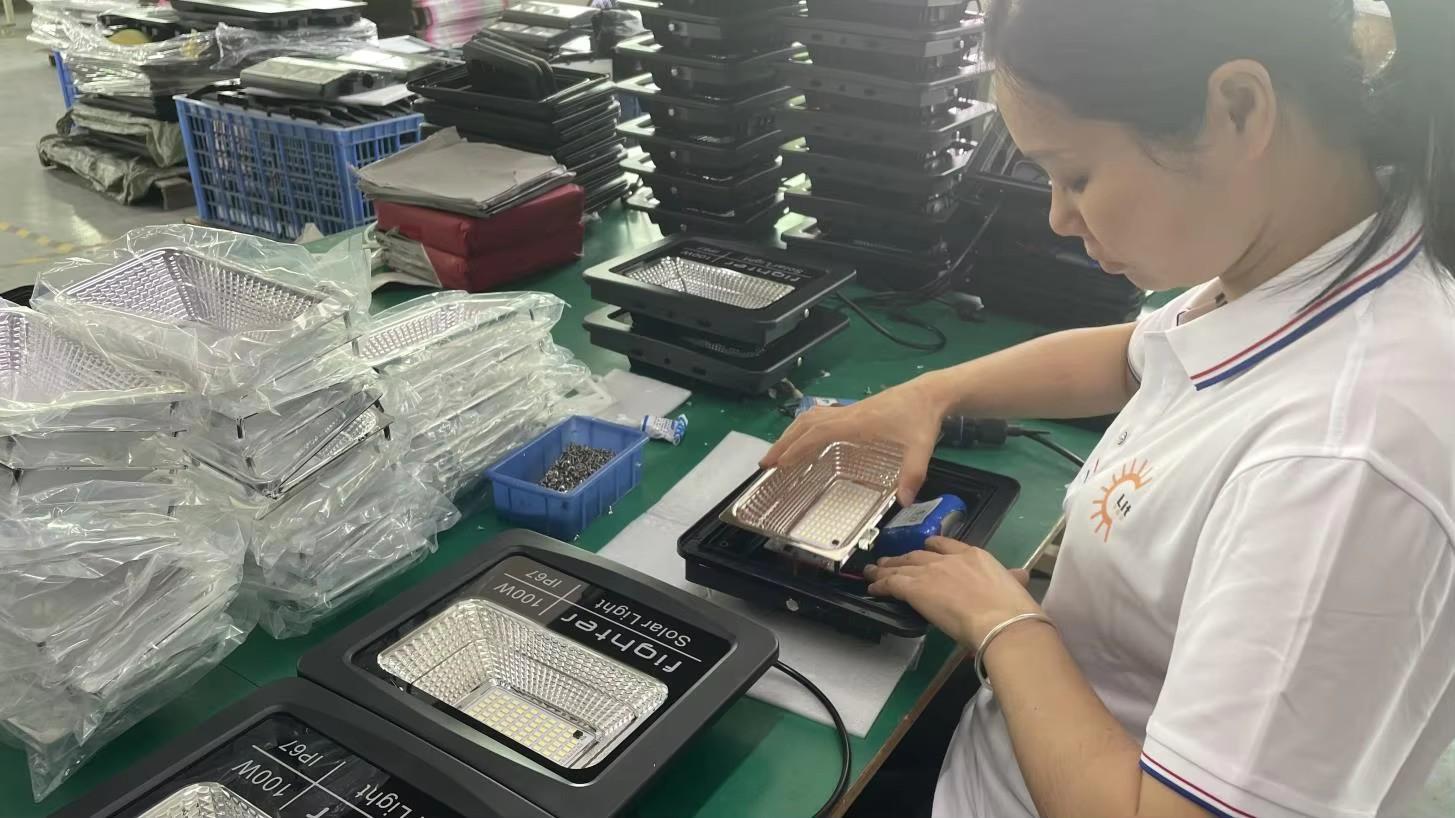
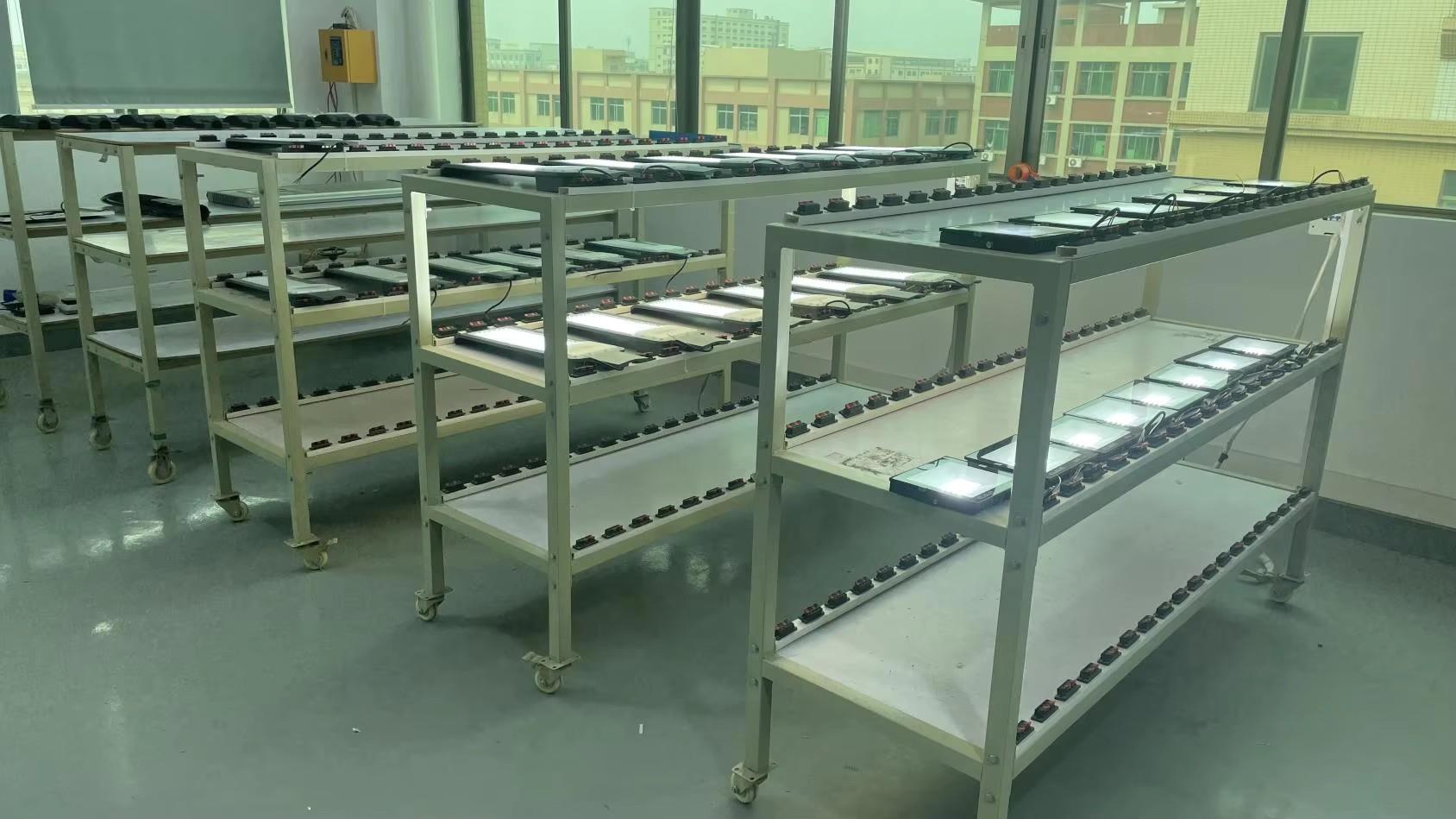
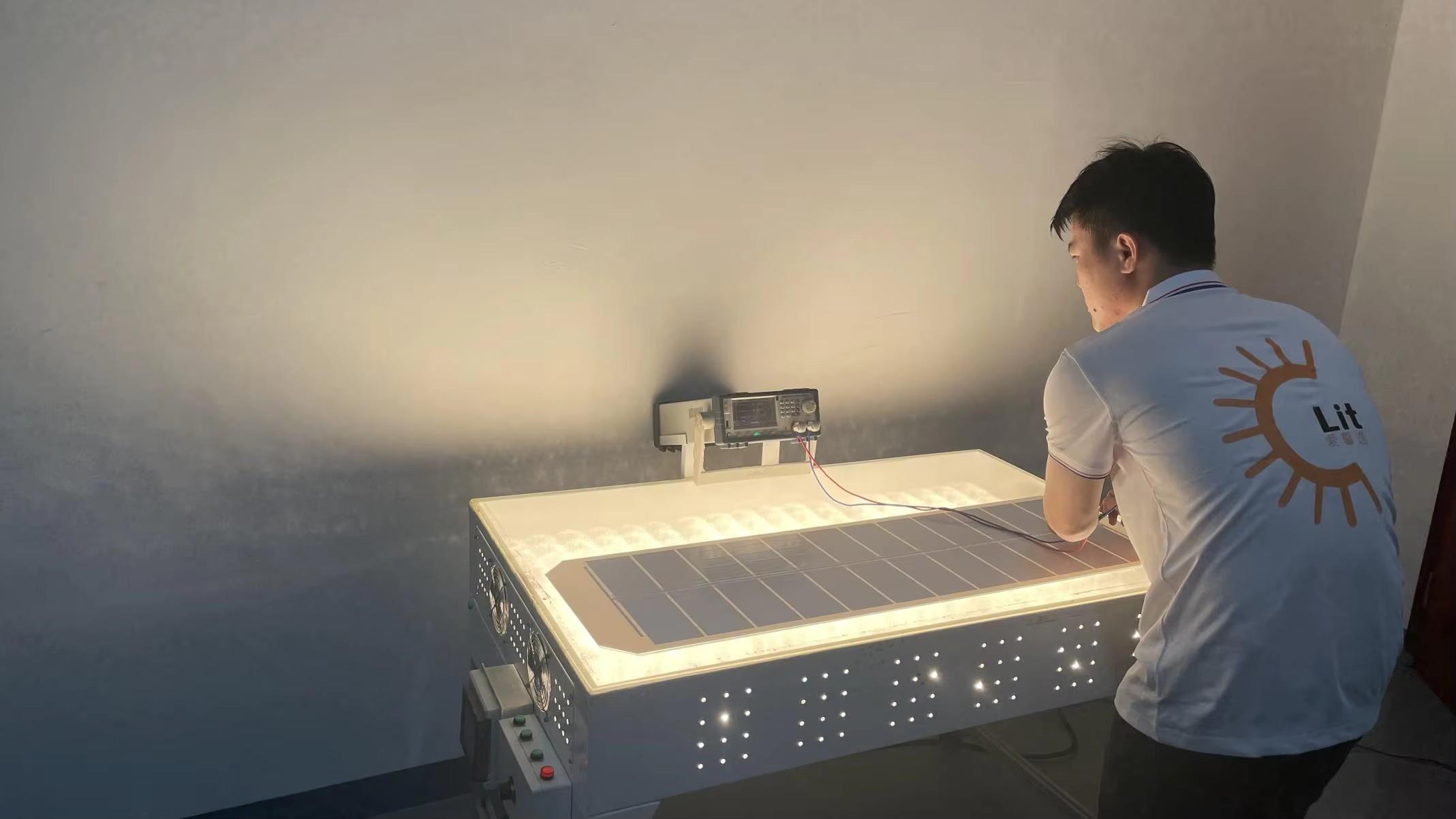
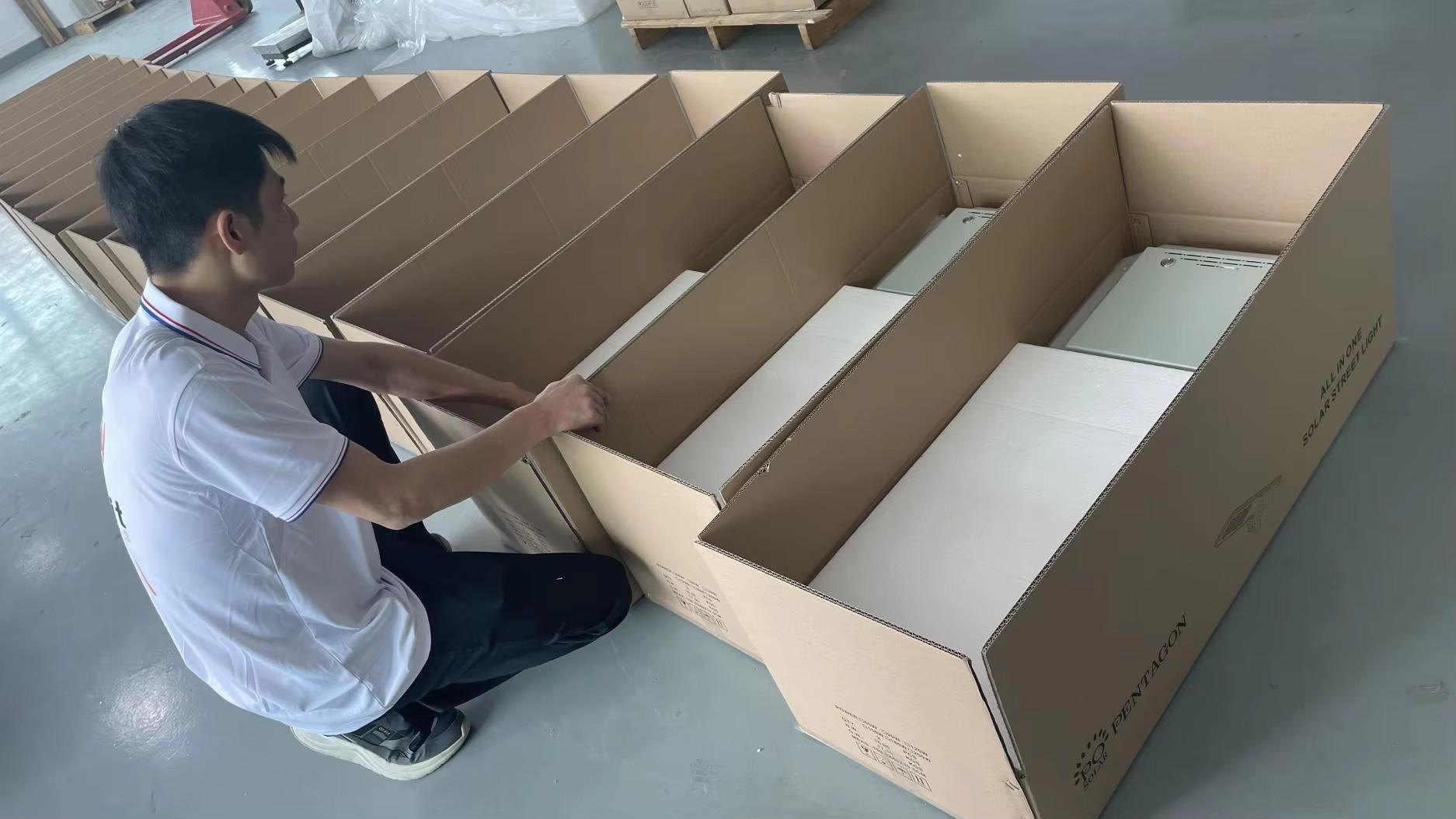
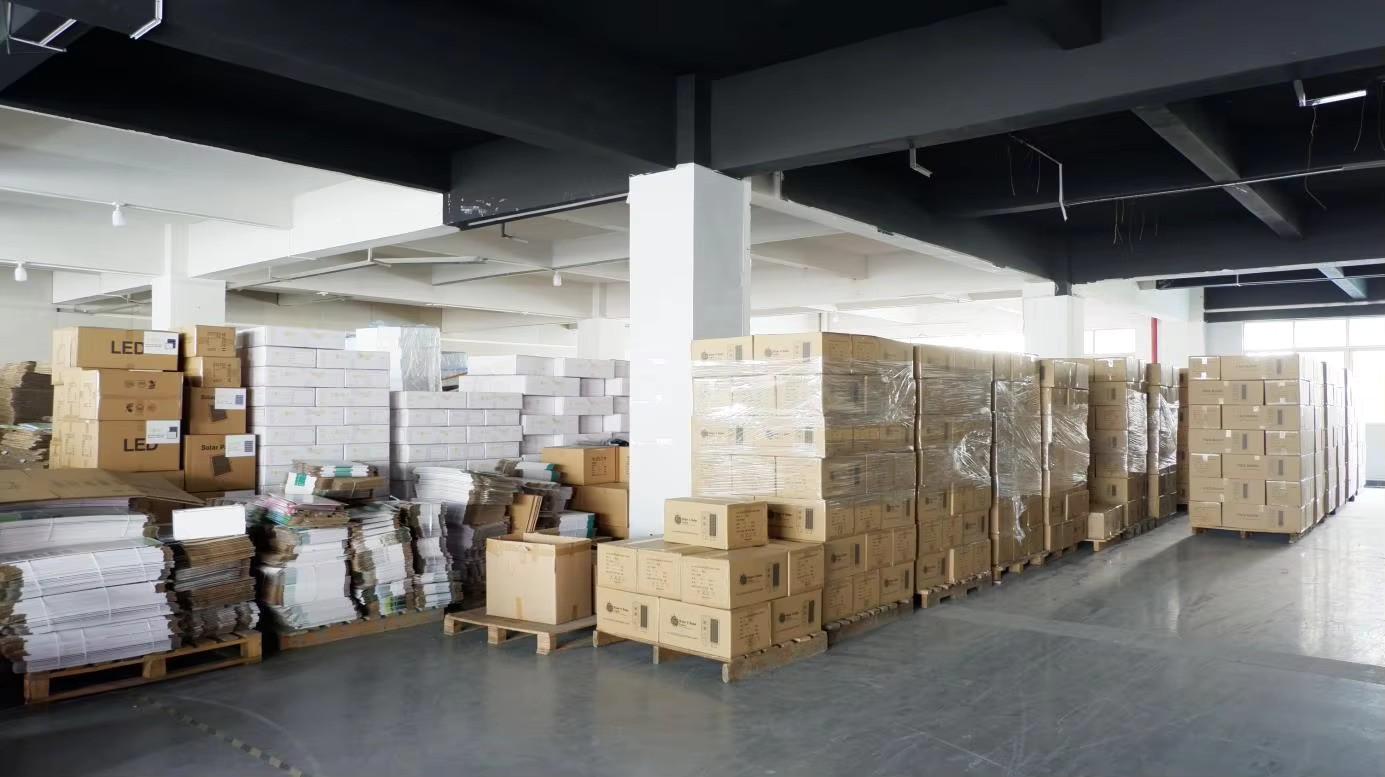
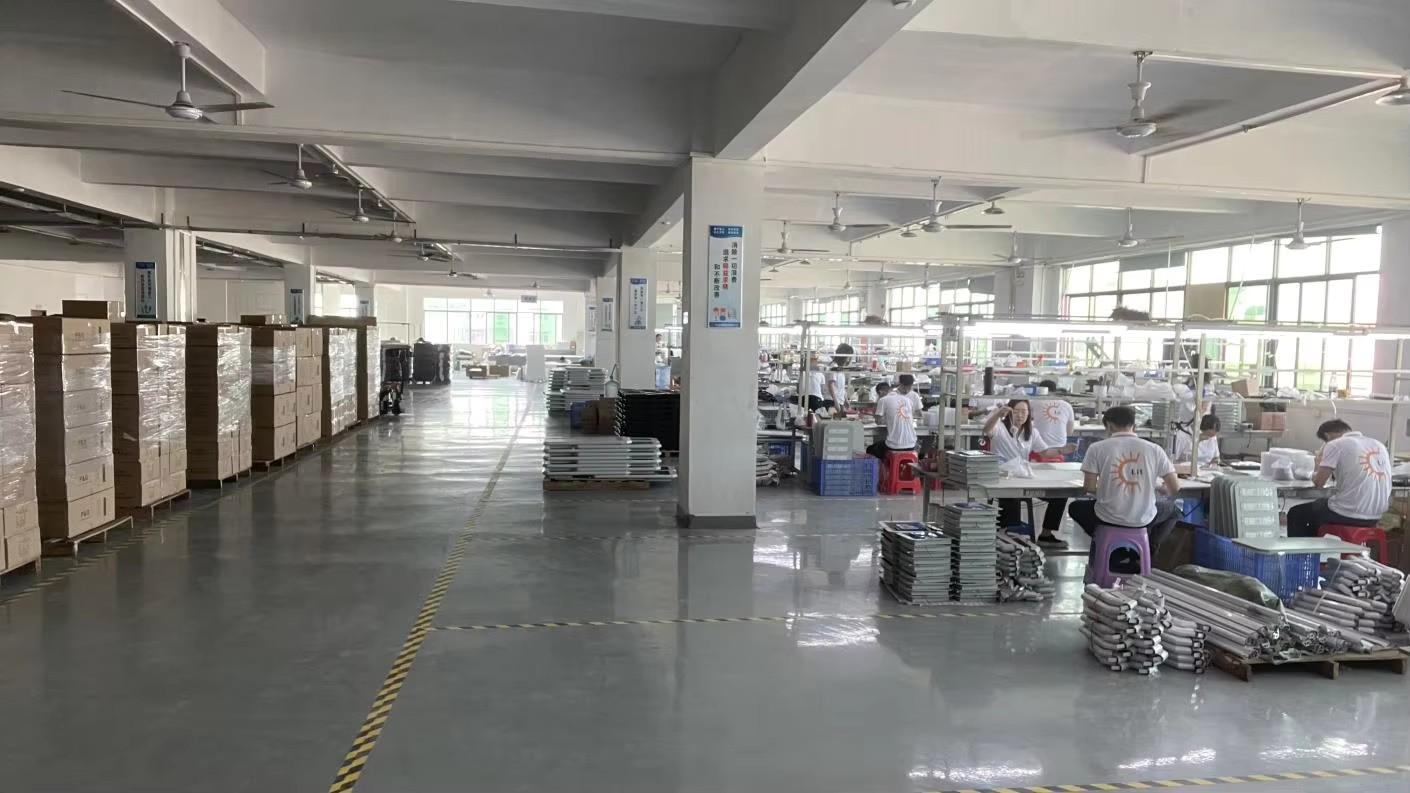
Commercial-grade solar tiki torch lights serve diverse design purposes across municipal, hospitality, and residential properties. Sourcing managers choose specific variants depending on regional regulations, weather patterns, and architectural themes.
Beachfront resorts and boutique hotels rely heavily on tropical aesthetics. Traditional fuel-burning torches require constant manual refilling and present fire risks near thatched roofs or dry foliage. Heavy-duty, IP66-rated solar tiki lights provide a maintenance-free flickering flame effect, automatically activating at dusk to create safe pathways for guests while keeping operational costs at zero.
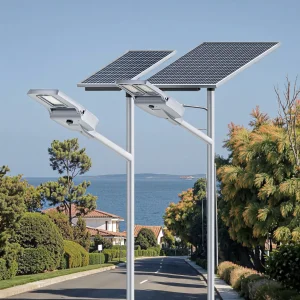
Municipal urban designers look for durable structures that can resist vandalism and public wear. All-in-one solar post-top lamps and heavy-gauge aluminum yard lights ensure clean, emission-free lighting for public walkways, contributing to municipal green energy and smart city targets.
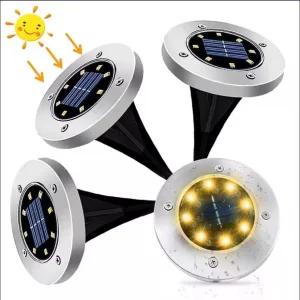
For home improvement distributors and large online retailers, supplying modular solar ground lights with adjustable mounting accessories (stakes, wall mounts, and deck bases) ensures broad consumer appeal. High luminous outputs and long cycle lifetimes reduce warranty returns, protecting the retail brand's reputation.
Here are clear, data-driven answers to the top questions asked by B2B buyers when negotiating with solar light factories.
Lifespan is determined by battery chemistry and protection circuitry. Demand factory test reports for LiFePO4 (Lithium Iron Phosphate) cells. Look for certifications showing built-in overcharge, over-discharge, and thermal cutoff protection. Premium cells maintain >80% capacity after 2,000 cycles, translating to 5+ years of daily use, compared to Ni-MH batteries which typically fail within 1 year.
Top-tier factories use automated high-pressure spray chambers that simulate monsoon conditions (IPX6 testing) and dust-ingress chambers (IP6X testing). Always ask for independent test reports from accredited third parties like TUV, CE, or SGS rather than relying only on factory-declared spec sheets.
Monocrystalline panels offer conversion efficiencies exceeding 22% and perform better in low-light and high-temperature conditions. Polycrystalline panels are cheaper but hover around 15-17% efficiency, requiring larger surface areas to generate the same wattage, which compromises the compact aesthetic of tiki torch designs.
Standard production lead time ranges from 25 to 35 days, depending on components queue times. Minimum Order Quantities (MOQ) for custom color housings, brand packaging, or specific flame LED configurations generally range from 1,000 to 3,000 units. For mass production runs using standard toolings, MOQs are often lower.
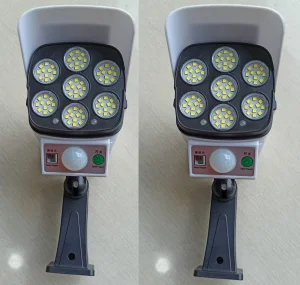
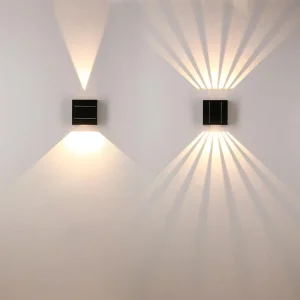
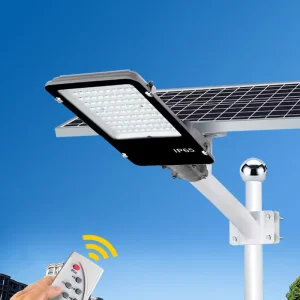
A comprehensive overview of our split-type streetlights, low-voltage accent lighting, and decorative exterior luminaires.
 Zeteo Light